
- A credit score summarises how reliably you have repaid borrowed money.
- Paying on time, keeping balances low and avoiding too many applications matter most.
- Check your credit report for errors, since scoring systems differ between countries.
The Short Answer
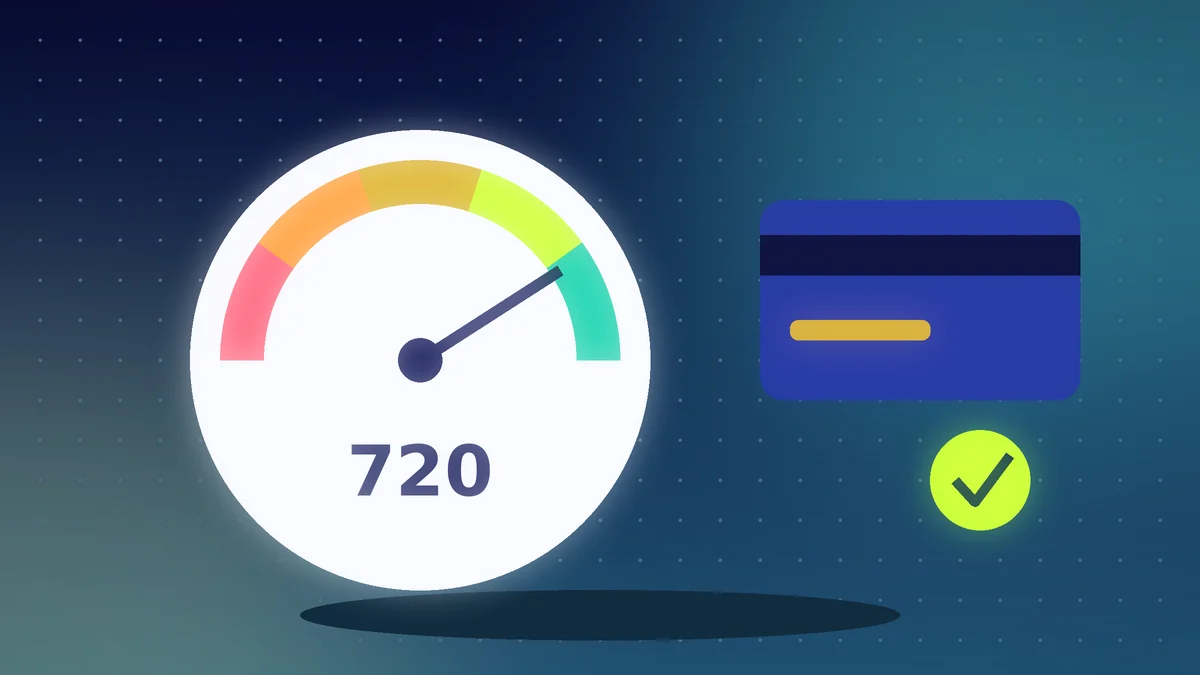
A credit score is a number that summarises how reliably you have repaid borrowed money. Lenders use it, along with other information, to decide whether to lend to you and at what interest rate. Scoring systems and score ranges differ between countries and between credit bureaus, but the habits that build a strong score are almost the same everywhere. This is general information, not financial advice.
What Affects Your Score
| Factor | What helps |
|---|---|
| Payment history | Paying every bill and loan on time |
| Amount owed | Keeping card balances low compared with your limits |
| Length of history | Keeping older accounts open and in good standing |
| New applications | Applying for credit only when you need it |
| Mix of credit | Showing you can handle different kinds of credit responsibly |
The exact weight of each factor differs by system.
Check Your Credit Report
Ask for your report from the licensed credit bureaus in your country, many of which allow free or low-cost checks. Look for accounts you do not recognise, wrong balances and old information that should have been removed. Report mistakes to the bureau and the lender in writing and keep copies.
Steps That Improve Your Score
Pay on time. Set up reminders or automatic payments for at least the minimum.
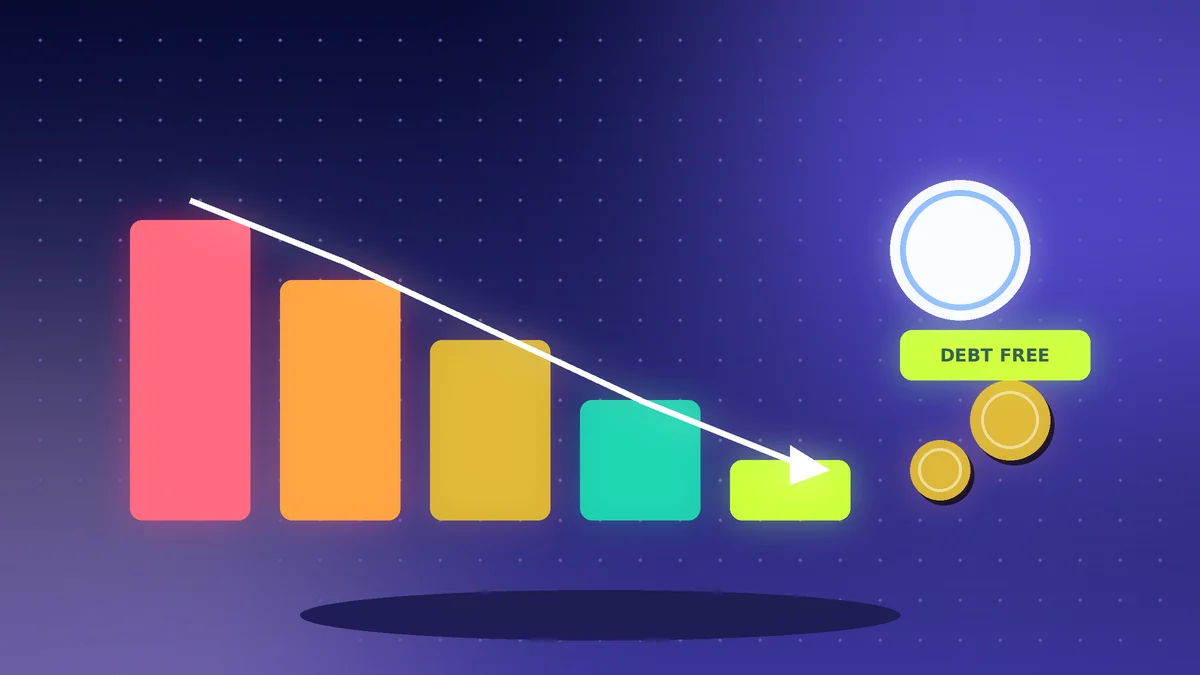
Lower your balances. Paying down card debt usually helps.
Do not apply for many loans at once, because each application can leave a mark.
Keep old accounts in good condition where the cost is low.
Be patient. Good habits usually take months to show.
Be Careful With Credit Repair Offers
No one can legally remove accurate negative information. Avoid companies that promise to erase real debts or demand large upfront fees. You can dispute errors yourself for free.
Why It Matters
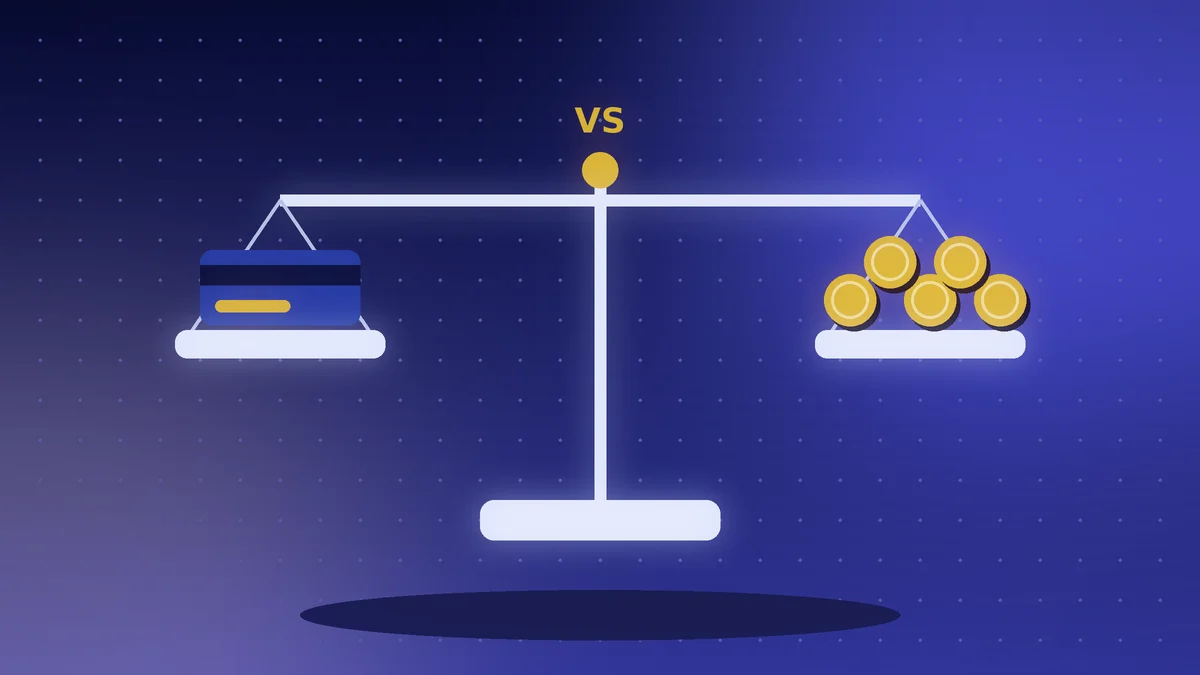
A better score can mean easier approval and lower interest on loans, credit cards and sometimes insurance or rentals. Read our comparison of personal loans and credit cards and our plan for paying off debt.
Protect Your Identity
Use strong passwords and two-factor authentication, be careful with phishing and review your statements regularly. Our guide on phishing and SIM swap fraud explains the risks.
Common Mistakes to Avoid
Closing your oldest account, maxing out cards, missing payments by accident, applying for many loans in a short time and ignoring errors on your report all hurt your score. Paying a stranger to fix your credit is another costly mistake.
Frequently Asked Questions
Does checking my own report lower my score? Usually not, but practices differ by country and bureau, so check the rules.
How long do negative records stay? It depends on the country and type of record.
What if I have no credit history? Start small, such as a low-limit card or small loan that you repay on time.
How fast can I improve my score? Some changes help in weeks, but strong results usually take months of steady habits.
Action Checklist
- Get your credit report from a licensed bureau
- Check for errors and dispute them in writing
- Pay every bill and loan on time
- Keep card balances well below the limit
- Avoid applying for many loans at once
- Do not pay anyone to erase accurate records
- Check your report again every few months