A US client sends you $2,000 for a finished project. A few days later, your naira balance looks smaller than you expected. Nobody charged you a visible fee. The loss happened inside the exchange rate. For Nigerian freelancers, remote workers and agencies, this is the most common and least noticed way to lose income.
Where the Money Disappears
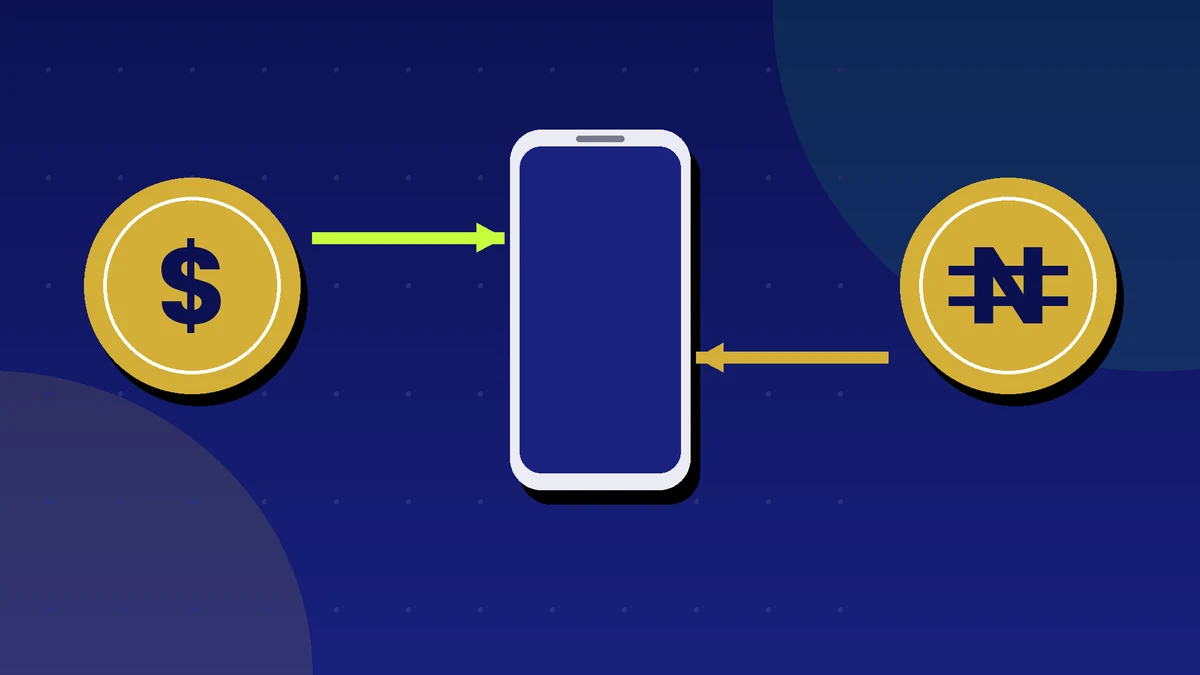
International payments lose value in three places: the fee to receive the money, the exchange rate when you convert to naira, and the cost of withdrawing to your bank. The biggest leak is usually the rate. The real savings often come from exchange rates rather than transfer fees, and platforms such as Payoneer and Grey add conversion margins on top.
Grey, for example, charges its conversion fee as a spread, so the rate it offers sits slightly below the parallel market rate instead of showing a flat fee. Payoneer is another case. Withdrawing to a Nigerian bank typically costs around 2%, and reviews put conversion costs anywhere from roughly 2% to 4.5%.
Here is what that means on a $2,000 invoice. At 2%, you lose $40. At 4.5%, you lose $90. That is the difference between a bill paid and a bill postponed.
Your Main Options in 2026
Virtual USD, GBP and EUR Accounts
Platforms like Grey, Cleva and Raenest let Nigerian freelancers receive payments through account details that look and function like local US or UK bank accounts to the person sending the money. You can then convert to naira and withdraw to any Nigerian bank account. Raenest also lets freelancers get paid by clients or by platforms like Payoneer, Wise and Fiverr, then convert and withdraw. Geegpay offers virtual foreign accounts with zero setup fees.
Payoneer
Payoneer provides virtual bank accounts abroad, so clients can pay you as if you had a local account. It remains one of the most widely accepted payment methods in Nigeria. For a freelancer on Upwork, it may be the practical choice despite higher fees.
Wise
Wise offers excellent exchange rates, but eligibility is the catch. Nigerian residents currently cannot open Wise account details or hold currency balances, so Wise works for sending money to Nigeria and not as a receiving account for people living there. Wise has also paused Nigeria-related transfers at times, which left freelancers waiting. If your client prefers Wise, ask them to send to your Nigerian bank account or to one of the virtual accounts above.
Domiciliary Accounts
A traditional domiciliary account is still worth the paperwork if you receive large, infrequent project payments. The Central Bank of Nigeria has confirmed that it will not force domiciliary account holders to convert foreign currency to naira, so you can keep, trade or convert balances at your own discretion. Separately, a May 2026 CBN directive now requires international money transfer operators to route transactions through designated naira settlement accounts, which means remittance recipients can no longer receive dollars directly through those channels.
PayPal
PayPal is not fully functional for receiving funds in Nigeria, even though many international clients prefer it. A 2026 integration reportedly lets Nigerian users receive international payments and withdraw in naira through a Paga wallet. Test it with a small payment before you rely on it.
How to Compare Options Like a Pro
Headline fees are misleading. Instead, compare what actually arrives in your bank.
- Take one amount, such as $500.
- Check the naira each provider would pay you at the same moment.
- Subtract any receiving and withdrawal fees.
- Compare the final naira figures, not the advertised percentages.
Exchange rates can swing widely in a single day, so run the comparison on the day you plan to convert. Also ask clients to pay in a currency your platform supports natively, such as USD for Grey or Cleva, to avoid an extra conversion before the rate you care about.
Build a Simple Payment System
- Use more than one platform. For example, Payoneer for marketplace clients and Grey or Raenest for direct clients.
- Convert in batches. Frequent tiny conversions can multiply fixed costs.
- Hold when the rate is poor. If your platform lets you keep dollars, you can wait for a better rate instead of converting immediately.
- Invoice clearly. State the currency, the account details and who covers fees.
Protect Yourself
Keep every invoice, contract and payment record, because you will need them for tax filings and when you apply for a loan or visa. Confirm that a provider is properly regulated before moving large sums, and use strong passwords and two-factor authentication. Rules and provider availability change often, so confirm current terms and speak to a qualified Nigerian tax professional about reporting your foreign income.
Action Checklist
- List every currency and platform your clients use to pay you.
- Open at least two receiving options, such as a virtual USD account and a Payoneer account.
- Send a small test payment through each before a large invoice.
- Compare the final naira received, not the advertised fee.
- Ask clients to pay in USD, GBP or EUR to your supported account.
- Avoid relying on Wise or PayPal as your only way to get paid.
- Keep records of every invoice and payment.
- Review your setup every quarter, because rules and rates change.
This guide is general information and not financial, tax or legal advice. Fees, rates, limits and rules change often, so confirm current terms with each provider and a qualified professional before you decide. Information checked October 2026.