
- Compare total cost over several years, not only the monthly figure.
- Buying brings hidden costs: legal fees, registration, repairs and service charges.
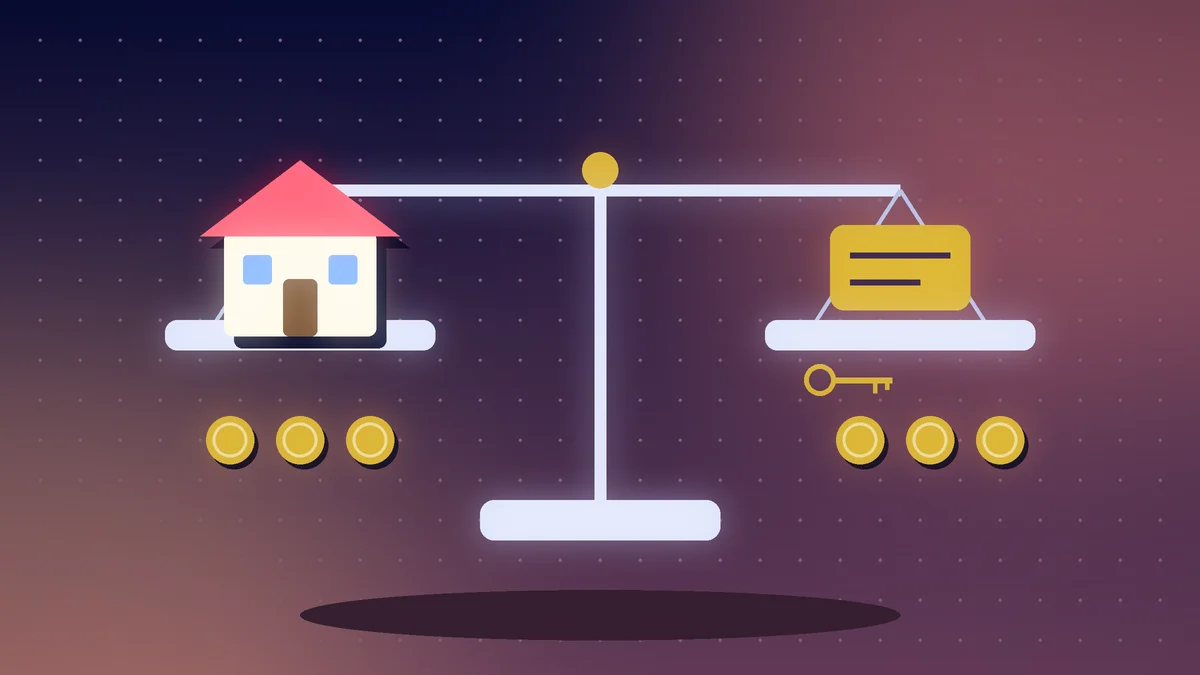
- Renting is flexible, while buying builds an asset if you stay long enough.
The Short Answer
Buying is not always better, and renting is not always “throwing money away.” The right choice depends on how long you plan to stay, how much cash you have and how stable your income is. Compare total cost over several years, not just the monthly figure. This guide is general information, not financial advice.
Side-by-Side Comparison
| Cost or factor | Renting | Buying |
|---|---|---|
| Upfront cost | Rent, agent and legal fees, sometimes a caution fee | Purchase price or deposit, legal fees, survey and registration |
| Running cost | Rent, service charge, utilities | Utilities, service charge, repairs, insurance, any loan repayment |
| Flexibility | High. You can move when the lease ends | Low. Selling takes time and costs money |
| Asset building | None, but your money stays free to invest elsewhere | You may own a property that can grow in value, though this is not guaranteed |
| Risk | Rent increases and short notice | Value changes, repairs and tying up cash |
The Hidden Costs of Buying
Buyers often forget legal fees, survey and registration costs, agent fees, furnishing, repairs and fixing problems found later. Check your title properly, as explained in our guide to verifying land documents in Nigeria.
The Hidden Costs of Renting
Renters often pay a large amount in advance, plus agent and legal fees. Landlords may raise rent when the lease ends, and moving costs money each time. Over many years, renting can cost a lot with nothing to show at the end.
How to Decide
Work out how many years you will stay. If it is only one to three years, renting often wins because buying costs are high. If you plan to stay for a long time and can handle the upfront costs and repairs without stress, buying may build wealth. Compare mortgage, rent-to-own and instalment options carefully, and read every term, as offers and rates change.
Questions to Ask Yourself
Is my income steady? Could I still pay if my income fell for several months? Would the money used to buy earn more if invested elsewhere? Does this home suit my family for the next five years?
Action Checklist
- Decide how many years you will stay
- List the total upfront costs for each option
- Add running and repair costs for buying
- Check advance rent limits and notice rules where you rent
- Verify title and documents before buying
- Keep an emergency fund after paying upfront costs
- Get advice from a lawyer and a financial professional