- Choose a payment method based on your customers' habits, fees and how fast you receive money.
- Always confirm payment in your own account or dashboard, not from a screenshot.
- Keep records and read the provider's current fees and terms before you sign up.
The Short Answer
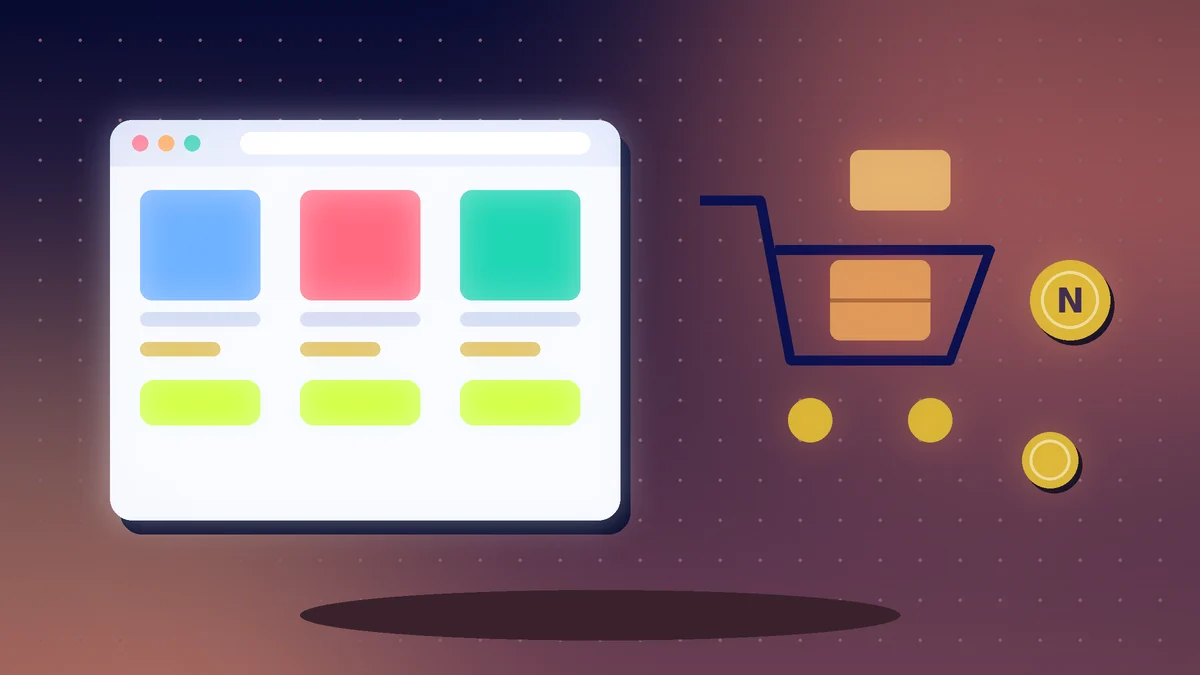
Customers pay in different ways, so the best setup offers a few simple options and records every payment properly. Bank transfers are common and cheap, card payments and payment links are convenient for online sales, and a POS terminal works in a shop. Whatever you choose, confirm each payment in your own account or dashboard before you deliver anything.
Common Ways to Get Paid
| Method | Good for | Watch out for |
|---|---|---|
| Bank transfer | Local customers, services and small orders | Fake transfer screenshots and delayed alerts |
| Card payments through a payment provider | Online stores and international customers | Provider fees, settlement time and chargebacks |
| Payment links | Social media sellers and freelancers | Sharing links only with the real customer |
| POS terminal | Shops, restaurants and events | Network failures and agent or terminal fees |
| Cash on delivery | Customers who do not trust online payment | Refusals, delivery cost and handling risk |
Fees, limits and settlement times differ by provider and change, so read the current terms before you sign up.
Choose a Provider Carefully
Check that the provider is licensed to operate in Nigeria, how long it takes to pay you, what it charges per transaction, what documents it needs and how it handles disputes. Read reviews from other business owners and test customer support before you rely on it. Keep your business and personal money in separate accounts, which makes records and tax easier.
Never Trust a Screenshot
A screenshot of a transfer is not payment. Check that the money has arrived in your account, the amount is correct and the reference matches your order. Be careful with overpayments followed by requests for a refund. These are common tricks. If a customer sends too much, wait for the funds to clear and refund only to the original account.
Protect Your Accounts
Use unique passwords, two-factor authentication and a password manager. Our guide on password managers and 2FA and our article on phishing and SIM swap fraud explain how to protect your banking and mobile money accounts.
Receiving Money From Abroad
If you invoice clients overseas, compare ways to receive dollars and convert them with fewer losses. Read our guide on receiving international payments in Nigeria.
Keep Records
Issue receipts or invoices, record every payment in a simple spreadsheet and reconcile it with your bank statement weekly. Ask a qualified accountant about tax registration and your obligations. Good records also help when you apply for loans or grants.
Action Checklist
- Decide which payment methods your customers prefer
- Compare providers on fees, licence, settlement time and support
- Open a separate business account for payments
- Confirm every payment in your own account before delivering
- Turn on 2FA for banking and payment accounts
- Issue receipts and keep a payment record
- Reconcile your records with your bank statement weekly