Your emergency fund has one job: be there when life breaks. Yet in many bank accounts it sits and earns almost nothing. The national average savings rate is about 0.38%, while the best high-yield accounts pay 4% or more. On $12,000, that gap is roughly $510 a year versus about $46. Same money, same safety, very different result.
What Is a High-Yield Savings Account?
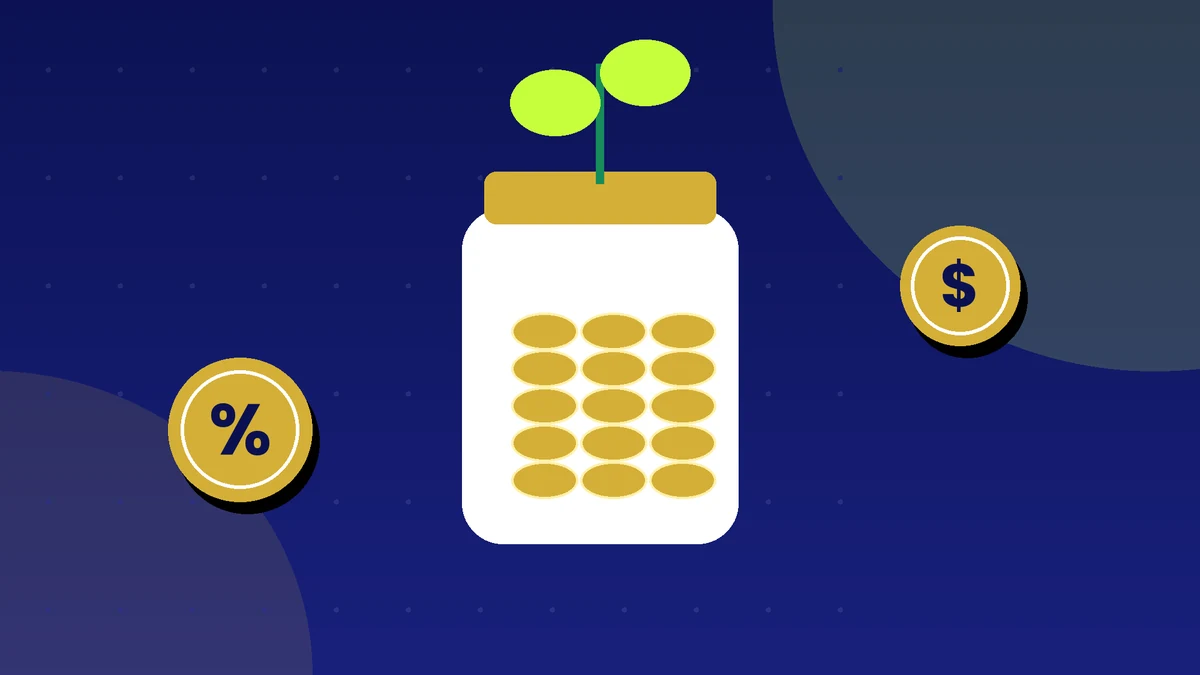
A high-yield savings account (HYSA) works like a normal savings account but pays a much higher annual percentage yield (APY). High-yield accounts often pay 10 to 15 times what traditional savings accounts pay. You usually find them at online banks, because their overhead is lower.
Where Rates Stand in 2026
As of late September 2026, some online banks were offering up to 4.25% APY. A recent Federal Reserve rate increase has started pushing savings rates up, even at large banks. One community rate tracker in August showed Axos Bank at 4.21% and Forbright Bank at 4.15%. These are snapshots from user-compiled lists, so confirm every rate on the bank's own website.
Rates are variable. A bank can lower yours at any time, so treat today's APY as a starting point, not a promise.
The Promotional Rate Trap
Some accounts advertise a bonus that looks higher than it is. For example, CIT's Platinum Savings is a tiered account, and its APY boost promotion adds 0.35% for six months and ends on October 31, 2026. Tiered accounts often require a minimum balance to earn the top rate, and promotional boosts expire. Read the fine print and calculate the rate you will earn after the bonus ends.
How to Choose the Right Account
Safety first
In the US, look for FDIC insurance, which covers deposits up to $250,000 per depositor, per bank. In the UK, check for Financial Services Compensation Scheme protection. If a bank cannot show deposit protection clearly, move on.
Fees and minimums
The best emergency accounts have no monthly fee and no minimum balance. Avoid accounts that charge for withdrawals or require a large deposit to earn the advertised rate.
Access
You need your money within a day or two. Check how quickly transfers reach your checking account, and whether the bank limits the number of withdrawals per month.
How Much Cash Belongs Here?
Keep three to six months of essential expenses in your HYSA. Freelancers and business owners with irregular income should lean toward six months or more. Money you will not need for years may earn more elsewhere, but your emergency fund should prioritize safety and access over return.
Taxes and Inflation
Interest from a savings account is usually taxable as income. If your APY is close to inflation, your money is merely holding its value, not growing. That is acceptable for an emergency fund, which exists for stability, not wealth building.
Readers Outside the US
Many US online banks require a US address and a Social Security or tax identification number, so international readers often cannot open these accounts. If that is you, compare local options such as fixed deposits, money market accounts and savings products from licensed banks in your country. Apply the same tests: protection, fees, access and a clear interest rate.
Common Mistakes to Avoid
- Chasing the highest rate without reading the terms. A teaser rate that drops after a few months can leave you worse off than a steady rate.
- Using the savings account as a spending account. Keep it separate from checking so the money stays untouched.
- Ignoring withdrawal limits and transfer times. Know how quickly you can reach your cash before an emergency.
- Leaving cash in a low-rate account out of habit. Check your rate at least twice a year.
Action Checklist
- Calculate your essential monthly expenses.
- Multiply by three to six months to set your emergency target.
- Compare at least three accounts using each bank's official rate page.
- Confirm deposit insurance or protection.
- Check for monthly fees, minimum balances and withdrawal limits.
- Read the terms on any promotional or tiered rate.
- Link the account to your checking account and test a small transfer.
- Set an automatic monthly transfer until you reach your target.
- Review your rate every quarter and switch if it falls well below the market.
This guide is general information and not financial, tax or legal advice. Fees, rates, limits and rules change often, so confirm current terms with each provider and a qualified professional before you decide. Information checked October 2026.