- Brands, creators and artists need a steady stream of short videos, and many have no time to edit them.
- Learn one simple editor well, then build a portfolio of ten short clips in one niche.
- Aim for monthly packages, such as a fixed number of videos each month, instead of one-off jobs.
The Short Answer
Short vertical videos have become one of the main ways people discover music, products and personalities. The people who make them, such as artists, coaches, shops and restaurants, often have plenty of footage but little time or skill to turn it into good clips. A reliable editor who delivers on time is valuable.
This is a skill you can learn on a phone or an ordinary laptop with free or low-cost editing tools. Income depends on quality, speed and how well you find and keep clients.
Learn the Craft That Clients Notice
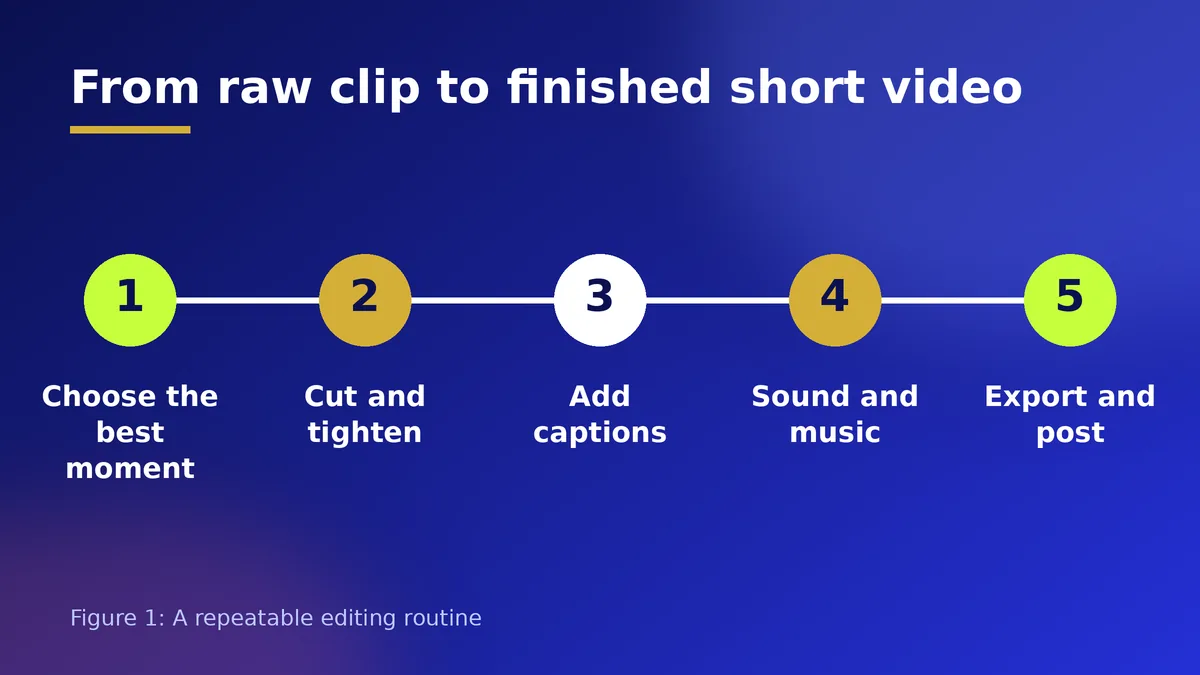
Good short-form editing is mostly about the first three seconds, clear captions, clean sound and a steady rhythm. Learn to trim silence, cut on action, add readable captions, adjust colour lightly and keep audio balanced between voice and music.
Study videos that perform well in your chosen niche and note what they do: how fast the cuts are, where the text appears, how the hook is written. Then recreate those patterns with your own footage.
Choose a Niche and Build Proof
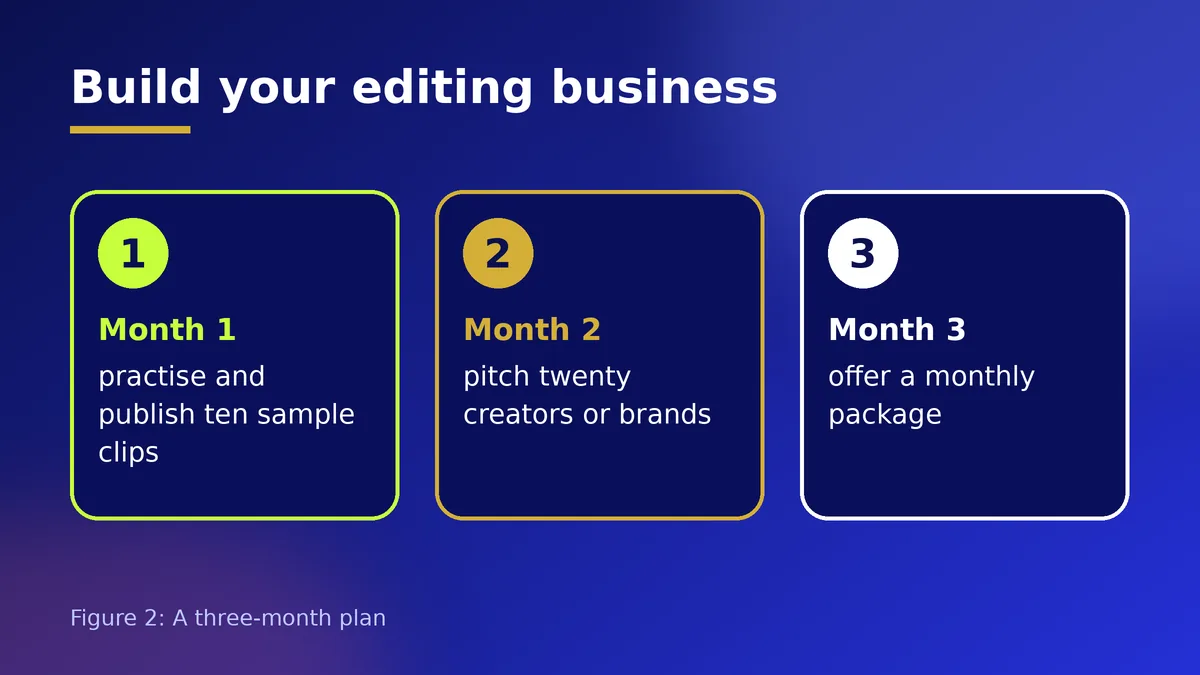
Pick one audience, such as music artists, restaurants, fitness coaches or real estate agents. Edit ten sample clips for that niche using your own footage or permission-based material and put them in one simple portfolio page or a folder anyone can open.
If you are close to the music scene, edit performance clips, behind-the-scenes cuts and lyric snippets for emerging artists. These are easy to share and show your skill quickly. Always get permission before using someone's music or footage in your portfolio.
Find and Pitch Clients
Look for creators and businesses that post often but have uneven video quality. Send a short, friendly message with one clip you edited for them as a free sample. Offer a clear package, for example eight short videos per month, with a delivery day and one round of changes.
Be professional: reply quickly, confirm the brief in writing and deliver files in the right format. Clients rarely leave an editor who is dependable.
Pricing and Retainers
A retainer is a fixed monthly fee for a set amount of work. It gives you steady income and gives the client predictable help. Decide how many videos, how long each can be and how many revisions are included. Charge more for rush work, motion graphics or extra versions.
Raise your price as your results and demand improve. Ask for a deposit or payment before final files are released, especially with new clients.
Protect Yourself and Your Clients
Use only music, images and clips you have the right to use. Agree who owns the final video. Back up project files. Keep a simple contract or written agreement so deadlines, payment and revisions are clear to both sides.
Action Checklist
- Pick one editing app and learn it well
- Publish ten sample clips in one niche
- Write a simple package with price and delivery dates
- Message twenty creators or brands with a free sample
- Agree revisions and payment in writing
- Back up every project
Frequently Asked Questions
Which editing app should I learn?
Start with one app that runs on the device you own, such as CapCut or a similar editor, and learn it deeply. Clients care about the finished video, not the app you used.
Where do I find my first clients?
Look at creators, artists and small businesses that post often but with uneven video quality. Send a short message with a free sample made from their own public content, and offer a clear monthly package.
What should a monthly package include?
State the number of videos, maximum length, delivery days, number of revision rounds and the format of final files. Anything beyond that should cost extra.